
This Is Us: Tracing Manchester’s Histories
History and heritage are often rich, complex, and multilayered. Too often, we discover that many stories have been forgotten, excluded, or overlooked. Yet no matter how challenging or complicated these narratives may be, they deserve to be acknowledged, shared, and discussed.
History and heritage are often rich, complex, and multilayered. Too often, we discover that many stories have been forgotten, excluded, or overlooked. Yet no matter how challenging or complicated these narratives may be, they deserve to be acknowledged, shared, and discussed.
Lesser-known stories from global majority communities, working-class people, migrant communities, and grassroots movements are among those most frequently overlooked.
Many remarkable, courageous, and resilient individuals have contributed to Manchester’s past and present, yet their voices are too often missing from the historical record, such as the impact of the Cotton Famine, Manchester’s connections to the transatlantic slave trade, and many other significant chapters in the city’s past.
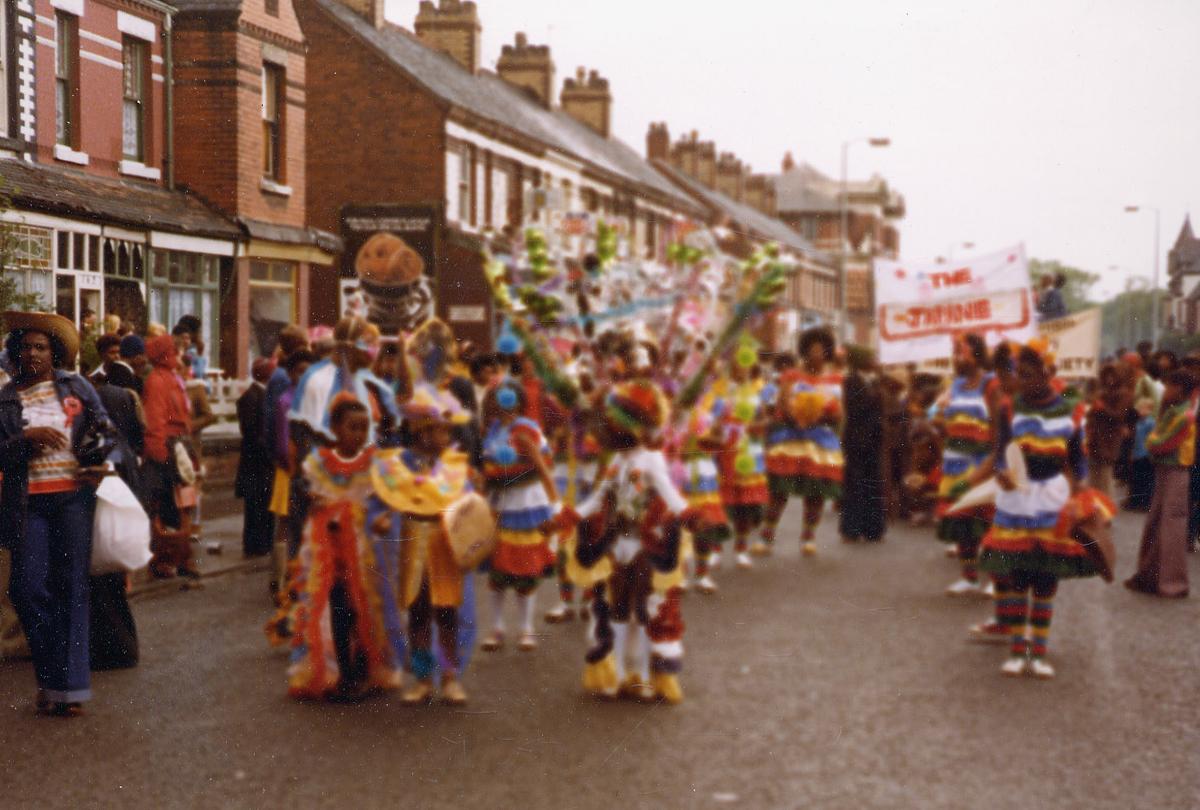
But some may ask why this is important to ensure that the histories are shared? Sharing these diverse stories is vital because they help create a more accurate understanding of who we are as a society.
When diverse histories are brought to light, they challenge outdated narratives and biases and foster stronger social connections. By making space for voices that have been overlooked, we not only honour the people who shaped our city but also promote a culture of empathy, inclusion, and belonging.
A richer and more accurate tapestry of histories benefits everyone, helping communities see themselves reflected in public life and enabling future generations to inherit a heritage that is honest, empowering, and shared.
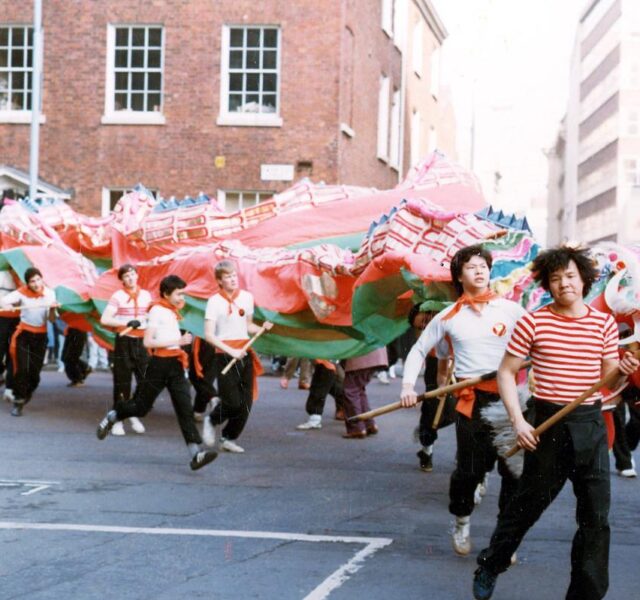
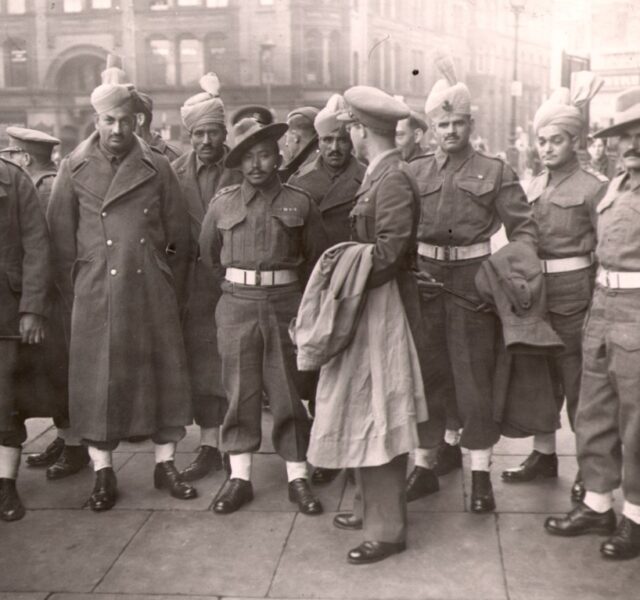
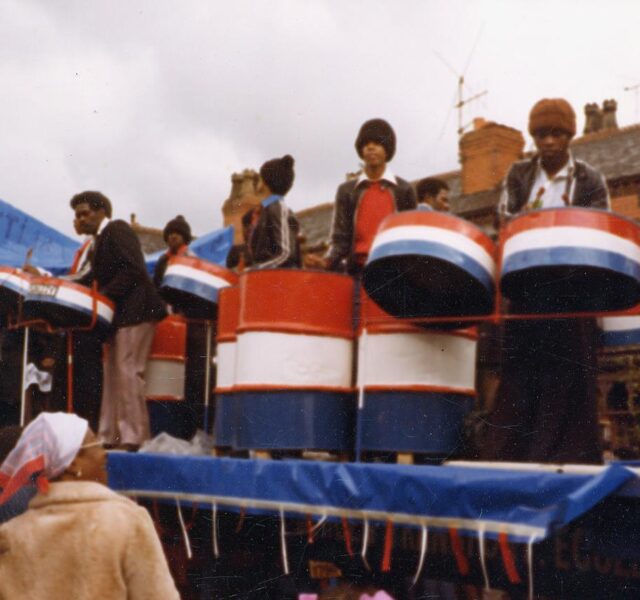
Images: Chinese New year (1985), 4th Indian Division (1942), Carnival Steel Band (1977) © Manchester Libraries
Our current project, ‘This Is Us,’ aims to do just this. Through the project, we will be celebrating overlooked stories, reflecting on complex legacies, and creating spaces where every voice can be heard.
How can you be involved?
We are inviting contributions of existing stories, audio recordings, and images that highlight histories missing or overlooked in Manchester’s public spaces.
If you have material, personal stories, community memories, or an archive/collection that should have a wider platform, we will welcome the chance to connect. We are particularly interested in work that reveals who hasn’t been represented, whose voices have been quieted, and what histories are still waiting to be seen and heard.
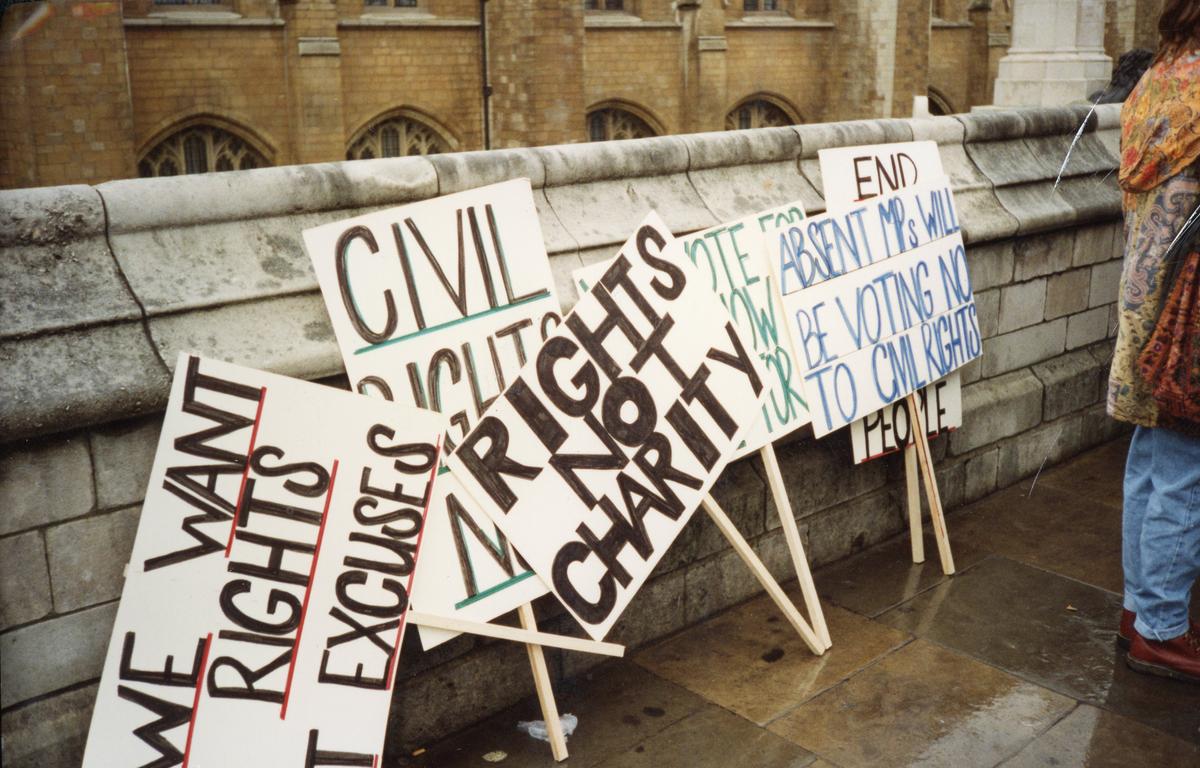
We are currently collaborating with community groups in Wythenshawe, Hulme, and working alongside young people from the MADE network and the Wai Yin Chinese society, and others across the city. Alongside cultural organisations, historians, and local residents, we aim to bring forward histories that have long existed within our neighbourhoods but have rarely been shared publicly. Together, we aim to surface these narratives and contribute to a fuller, more inclusive understanding of Manchester’s past.
To learn more or express your interest, please contact our Digital Project Manager, Jessica Tsiquaye, at
jess@manchesterhistories.co.uk
Our digital platform will be launching next year, offering an accessible space for audio storytelling, shared histories, and community voices. Keep an eye out for updates and follow us on social media to stay informed and get involved as the project develops.
Click here to find out more about our project.